



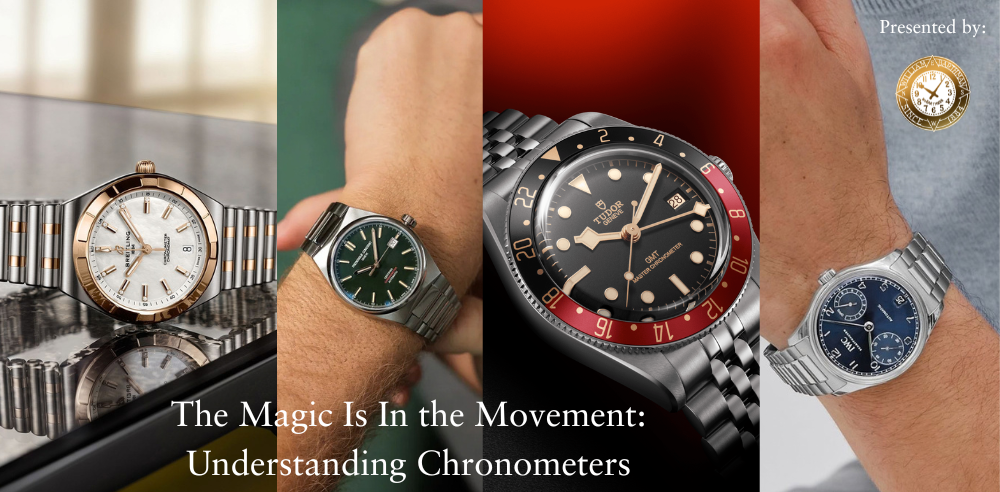

Imagine if Odysseus had been in possession of a Black Bay 58 GMT… do you think it would have taken him as many years to get home to Ithaca? It’s a COSC and METAS-certified chronometer with a 24-hour bidirectional rotating bezel, so he could have employed celestial navigation and tracked longitude to stay on course, instead of just going with his gut and hoping for the best. Don’t get me wrong—he was purported to be a pretty clever guy, but obviously some mistakes were made.
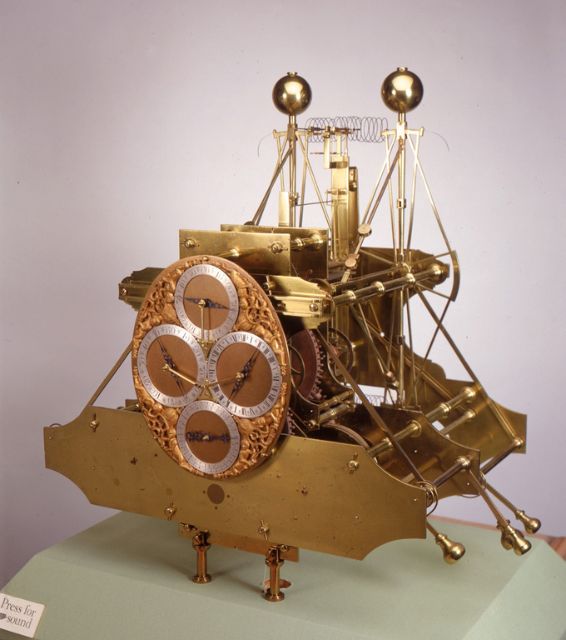
Marine Chronometer photo by Royal Museums Greenwich
The reason why I bring up this fictional example is to highlight the utility of chronometers and why they’ve only grown in prevalence since their invention in 1714. The marine chronometer came about in 1735 to provide sailors with more accurate measurement of longitude for improved navigation and safety. The 20th century gave rise to smaller, more advanced chronometers, which became very in-demand among explorers, researchers, armed forces, and collectors alike. From the 1920’s onward, chronometers used at sea would be set by radio time signals, which made updates during travel far easier. Unfortunately for some time after, daily rating was still necessary to calculate true GMT.
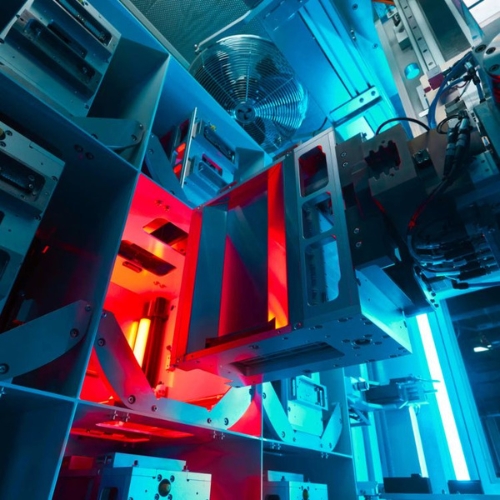
Testing facility photo courtesy of TUDOR
With the importance of chronometry at an all-time high, different countries created observatories to test their watches. Swiss timepieces go through a rigorous multi-day certification process by the Contrôle Officiel Suisse des Chronomètres aka COSC to receive the chronometer label—some brands go even further with METAS certification to achieve master chronometer status. Not all of the watches created worked for a day-to-day basis, so competition has become more parallel to market needs. That being said, only about 3% of watches are able to pass testing.
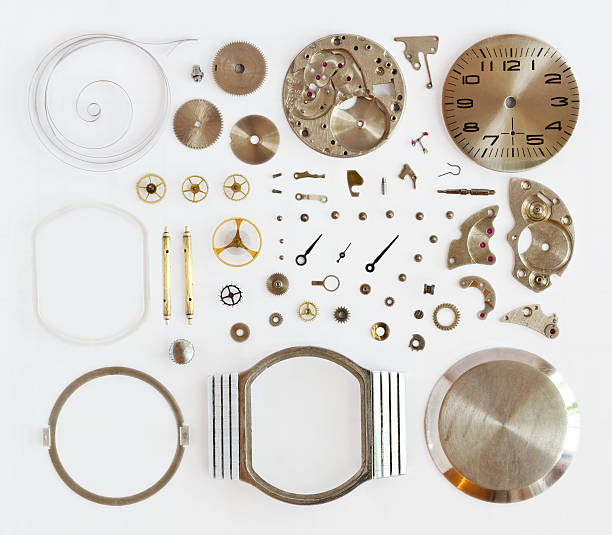
Stock image
Gravity, temperature shifts, and friction are just some of the forces of nature that affect a watch’s ability to tell time accurately. Today, watchmakers utilize the highest quality internal components—alloys, silicone hairsprings, polished pivots, and free-sprung balances—to build exceptional movements that can withstand these forces. Needless to say, these are highly precise and reliable tools that exemplify the pinnacle of luxury craftsmanship.
Although GPS systems have made chronometers relatively unnecessary as navigational tools, it is always good to have a reliable backup, and there is none better than the most accurate of timepieces. Below, we’ve hand-picked our favorite chronometers across a variety of brands and price points. Browse online and try-on in-store at William Barthman Jeweler.
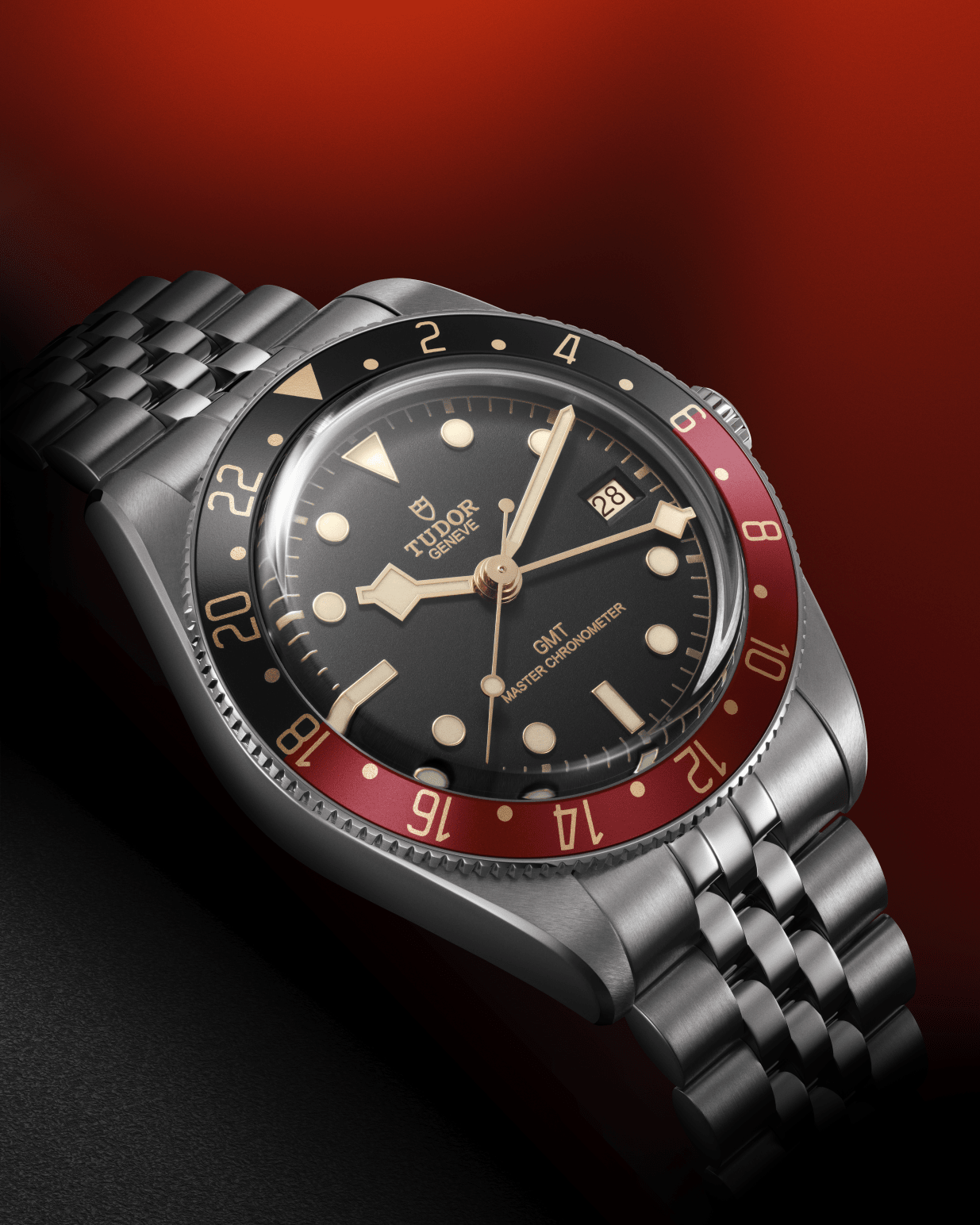 Tudor Black Bay 58 GMT
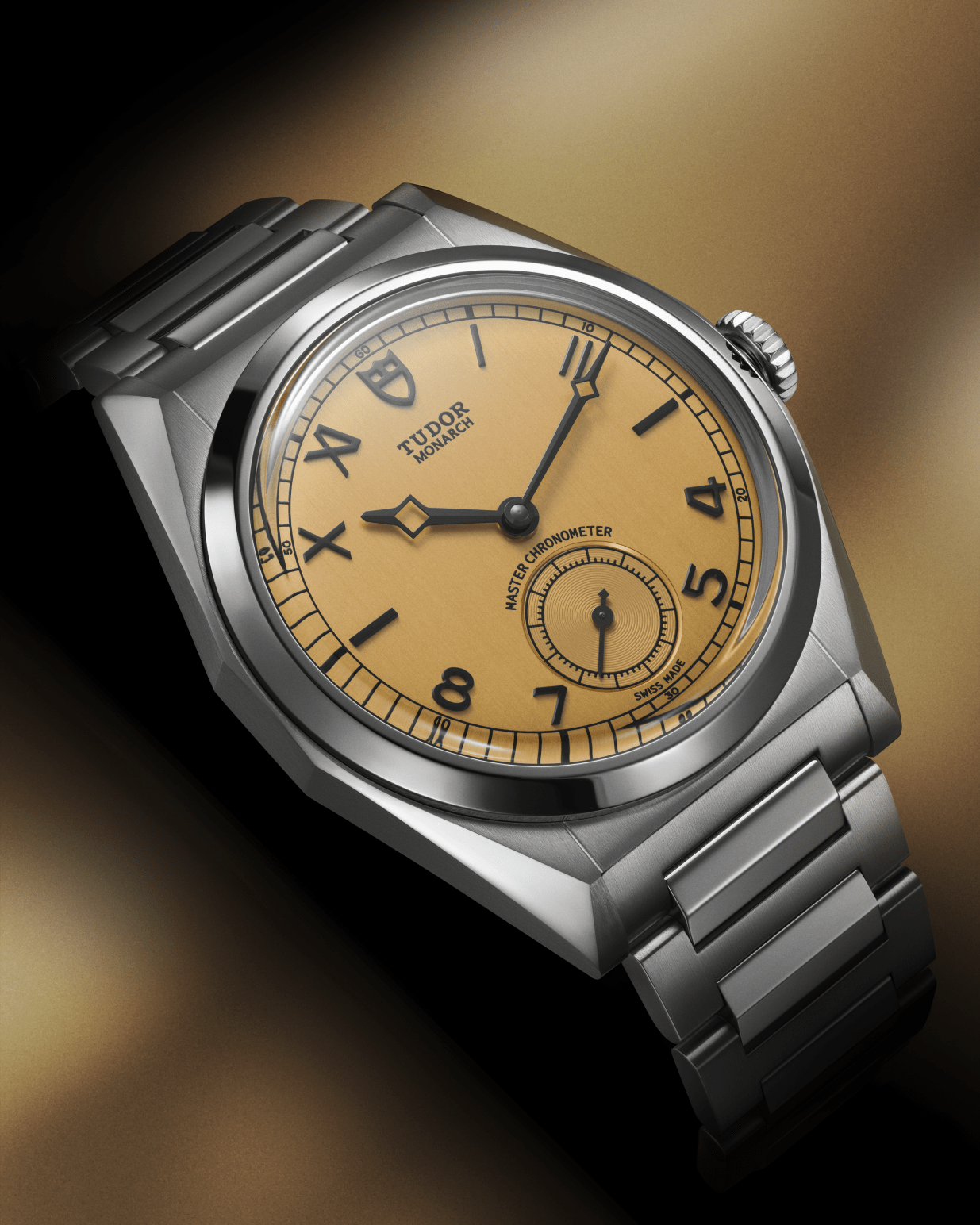 Tudor Monarch
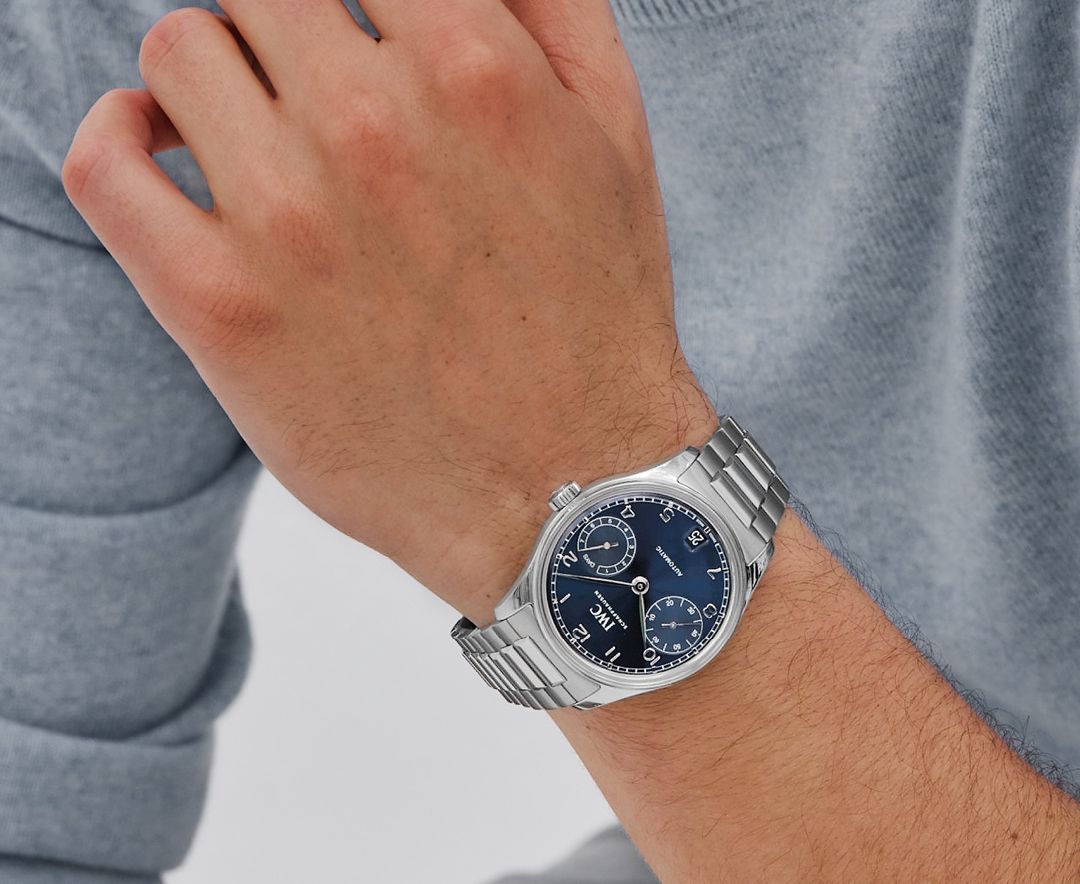 IWC Schaffhausen Portugieser Automatic
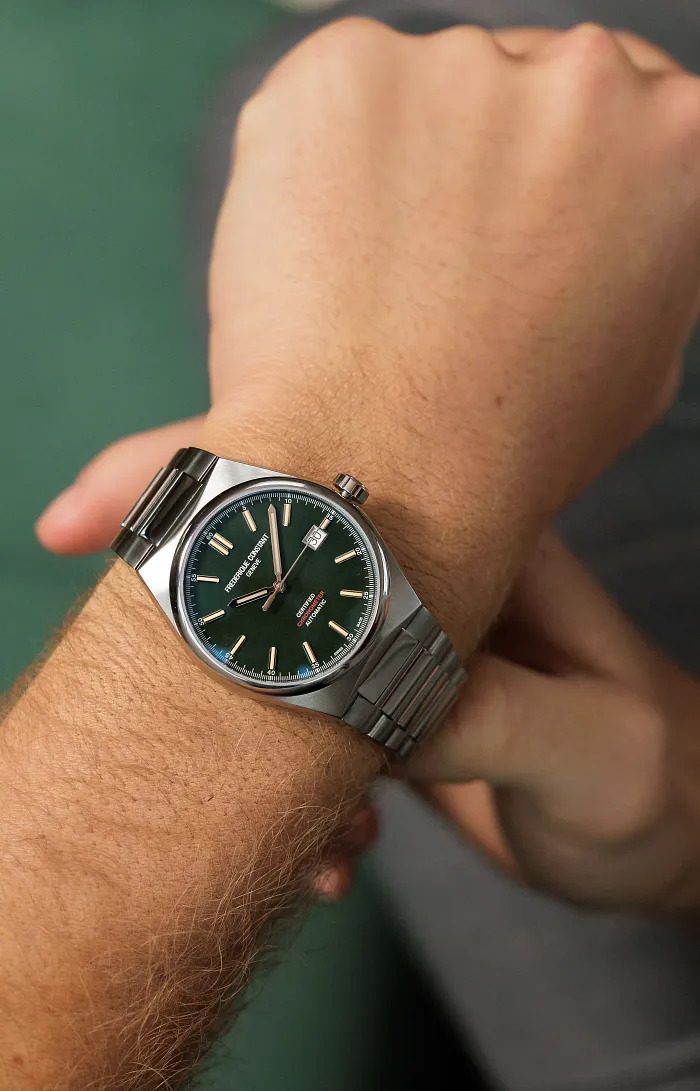 Frederique Constant Highlife Automatic COSC
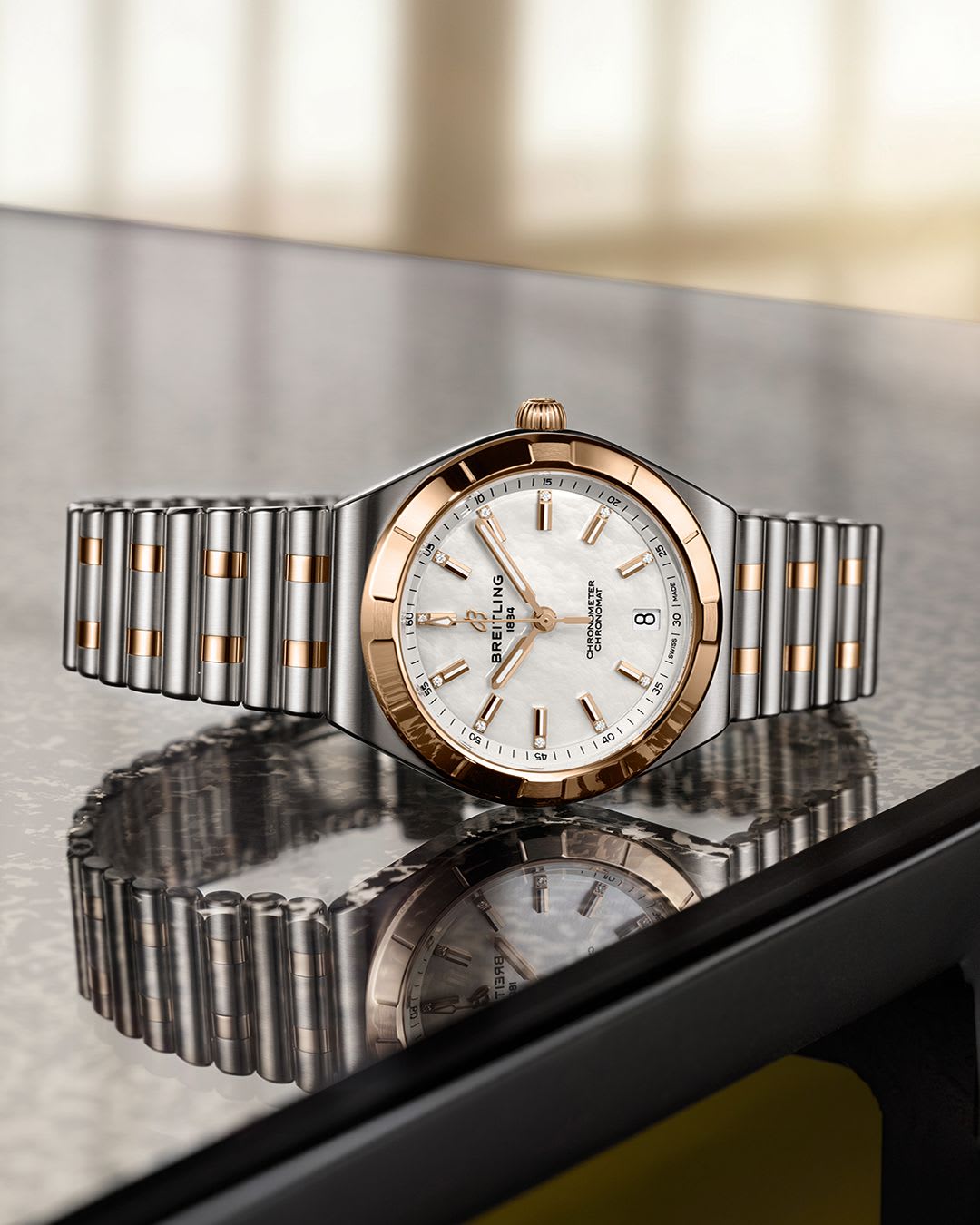 All Breitling Collections (including Chronomat)