Starting a Luxury Watch Collection in 2026: A Practical Guide for Modern Enthusiasts Where personal milestones, timeless craftsmanship, and heritage converge in a highly-intentional and personal curation.

Starting A Luxury Watch Collection In 2026: A Practical Guide For Modern Enthusiasts

By: Brianna Thompson

Whether you appreciate the technical prowess of a manufacture, the display of status with a high demand piece, or the lasting value of a classic model, there are many reasons to love a timepiece, and further, build a luxury watch collection. Much like any other highly differentiated product, it is easy to become engrossed in collecting—after all, humans separate themselves from other species through self-expression and a search for meaning.

Why Collect Luxury Watches?

For some, collections find roots in family history; perhaps your grandfather was in the air force and passed down the watch he used for navigation, so you want to build a collection of pilot watches. You may also have received your first watch from your company for your 5th anniversary, and are considering building a collection to mark your future milestones.
Whatever your reason, there’s no time like the present to delve into the world of watches. Confused about where to start? Let William Barthman be your guide through the different facets of watch collecting,— browse our website and come to one of our locations for a personalized shopping experience. Important things to consider when looking for models to build your array are: your personal style, brand and model heritage, technical specifications, and the investment value of the watch(es) in question.
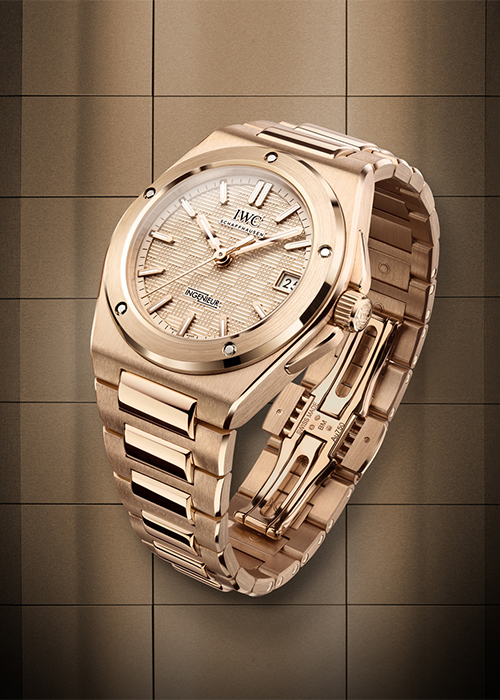
 
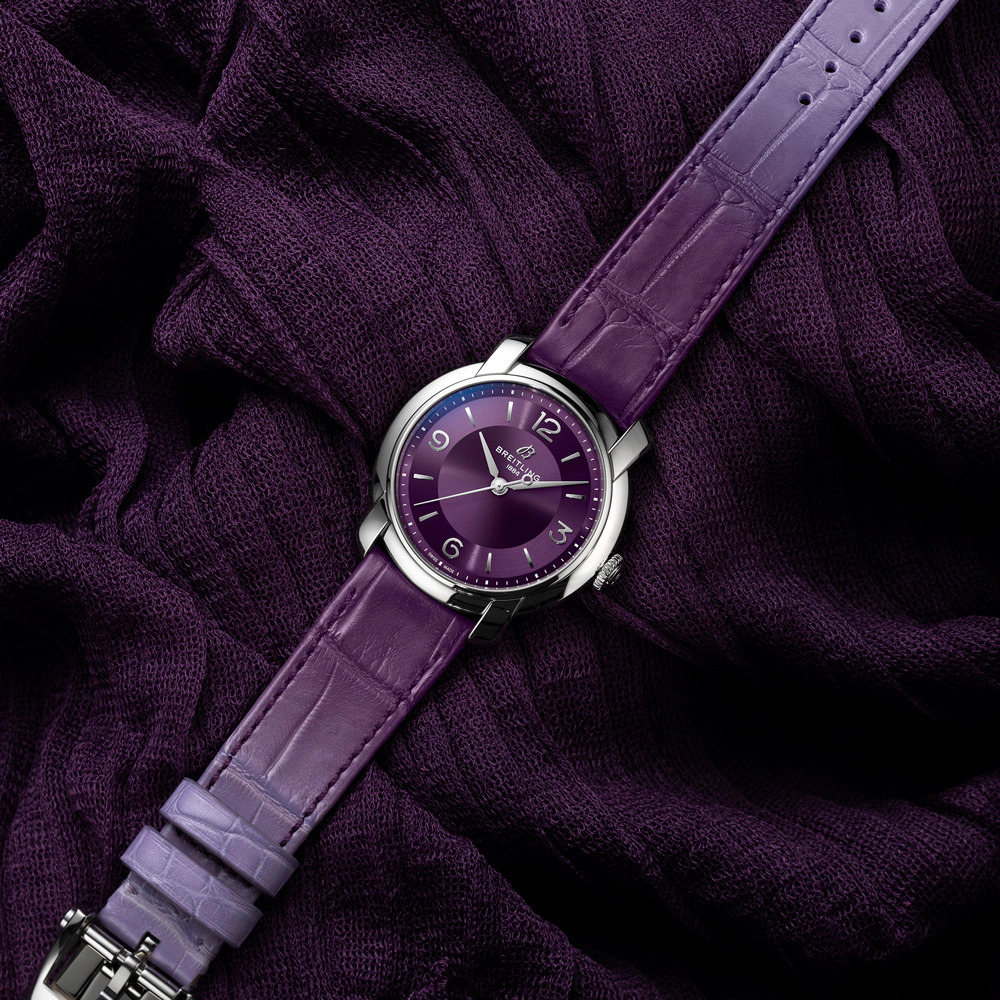
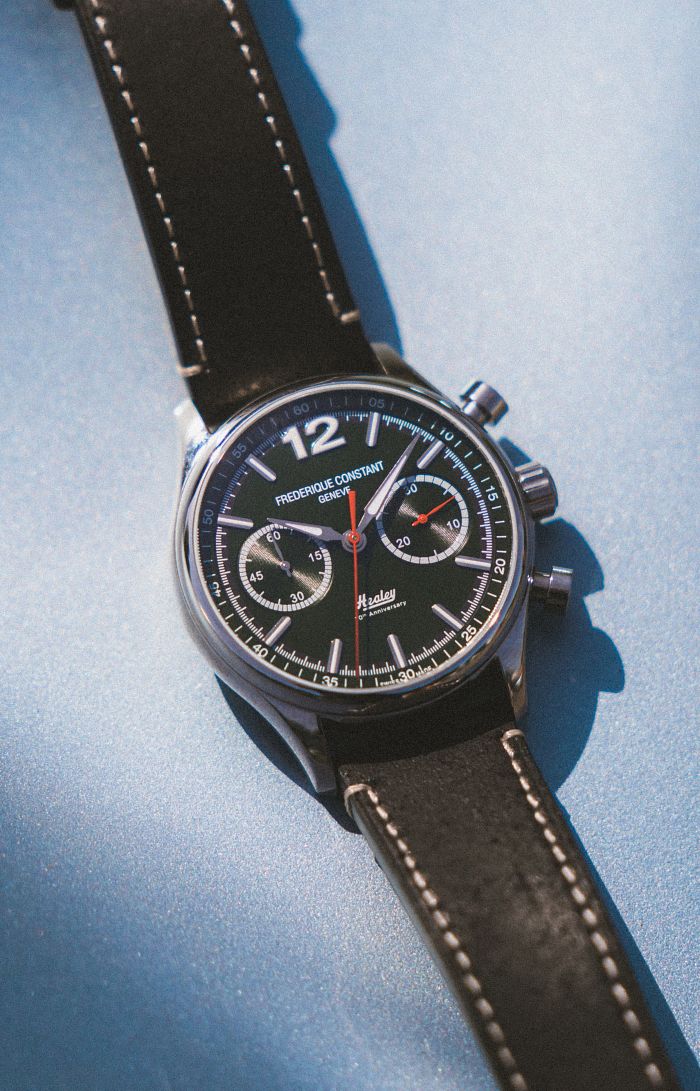
A gold IWC watch on a gold-tiled background A purple watch with a silver case laying on a textured purple fabric A green dial Frederique Constant watch with a brown strap on a light blue background
The Ingenieur Automatic - IWC Schaffhausen The Lady Premier Automatic - Breitling The Vintage Rally Healey Chronograph - Frederique Constant


How to Define Your Personal Watch Style

There are three basic types of watches one can own: casual, sporty/performance, and formal/dress. By looking at the aesthetic and functional characteristics of a given watch, you can determine its type. For example, watches with a rubber strap tend to exist for sport purposes, whereas a leather strap may be either casual or formal, depending on the watch itself. Certain dial, bezel, or mechanical features also differentiate watches. A sales expert can point you in the right direction for your needs, so make sure to let them know the purpose of the watch when you meet. Of course, there are always exceptions to the rule, and if you simply like a watch, do not discount its potential for your collection. At the end of the day, personal style is subjective.
 

The Importance of Brand Heritage and History

Many brand collections, and even specific pieces, have their own origin stories, such as the Rolex Oyster watch and its journey across the English Channel with Testimonee Mercedes Gleitze. Since watches can serve other functions than simply telling time and accessorizing a look, they have been integral to armed forces, athletes, heads of state, and other people of influence. Research your own role models and see what types of watches they favor for inspiration. By learning the stories of brands and watches, you open yourself up to the opportunity for connection with other collectors, and the potential ability to access rare pieces you may not have even considered.


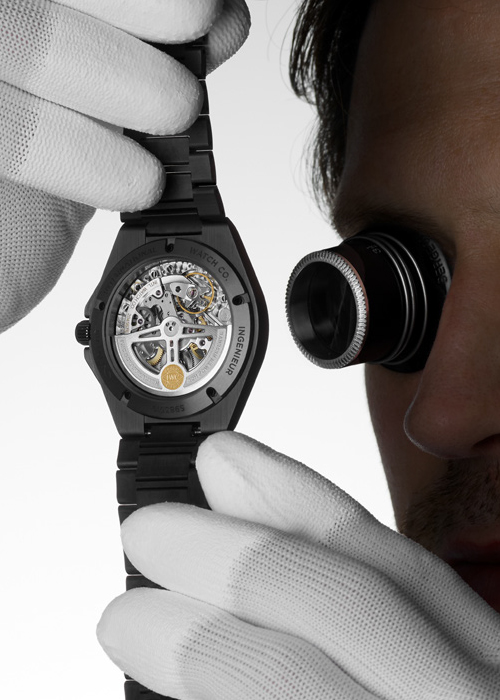
A watchmaker examining an IWC watch with a skeleton back

Technical Excellence

For watch enthusiasts, model interest isn’t only “skin deep.” If you have an appreciation for unparalleled craftsmanship and technical prowess, look no further than a watch. Due to their size, watches require a skilled hand to assemble all of the parts that make them run smoothly and efficiently. Many watch brands manufacture their own parts and movements, so doing research and connecting with sales professionals and other collectors is the ideal way to find models that fit your criteria. Consider materials, accuracy, power reserve, and serviceability when determining superior watches. Do you prefer quartz or mechanical watches?
 

Watches as Long-Term Investment Pieces

Watches may be beautiful or impressively functional, but not everyone seeks them out for these reasons alone. Practical buyers know that many watches hold value or even increase after purchase, depending on the market. If one is so inclined to create an assortment to pass down to future generations, the benefit of investing in watches is that they can have usability and personal importance, but retain value if preserved well. In this vein, the best investment watches should not only have a high-ticket value, but also be scarce in distribution, high in demand, and paragons of longevity, craftsmanship, and notoriety.
 

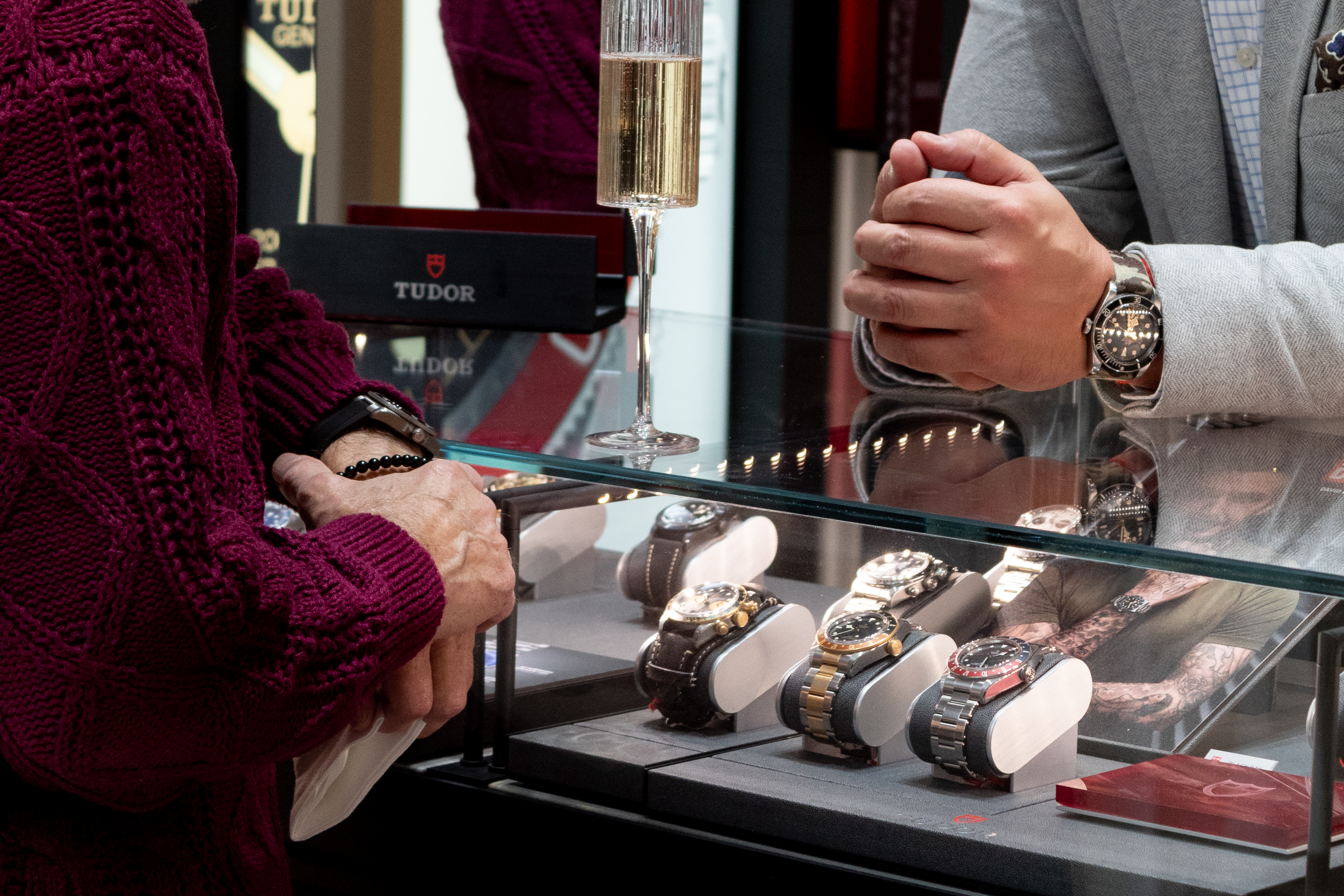
A man in a grey suit assists another man in a burgundy sweater with examining Tudor watches in a case
Resources for Collection Building

A well-built watch collection balances passion with perspective. As previously mentioned, the key to building a great portfolio is research, as well as communication with professional or amateur brand experts. The benefit to working with authorized dealers is that they have a direct line to the brands, and are in the business of serving you and your interests. They are able to repair watches or replace parts when necessary, keep track of your collection, and may even buy pre-owned watches if you decide to sell. At William Barthman, it is our pleasure to make dreams come true, and we look forward to assisting in the creation of your dream collection.